Connect with us

Uncategorized

How Blockchain is Transforming Real Estate: A Deep Dive into the Future of Properties ๐Ÿ ๐Ÿ”—

Published

on

How Blockchain is Transforming Real Estate: A Deep Dive into the Future of Properties ๐Ÿ ๐Ÿ”—

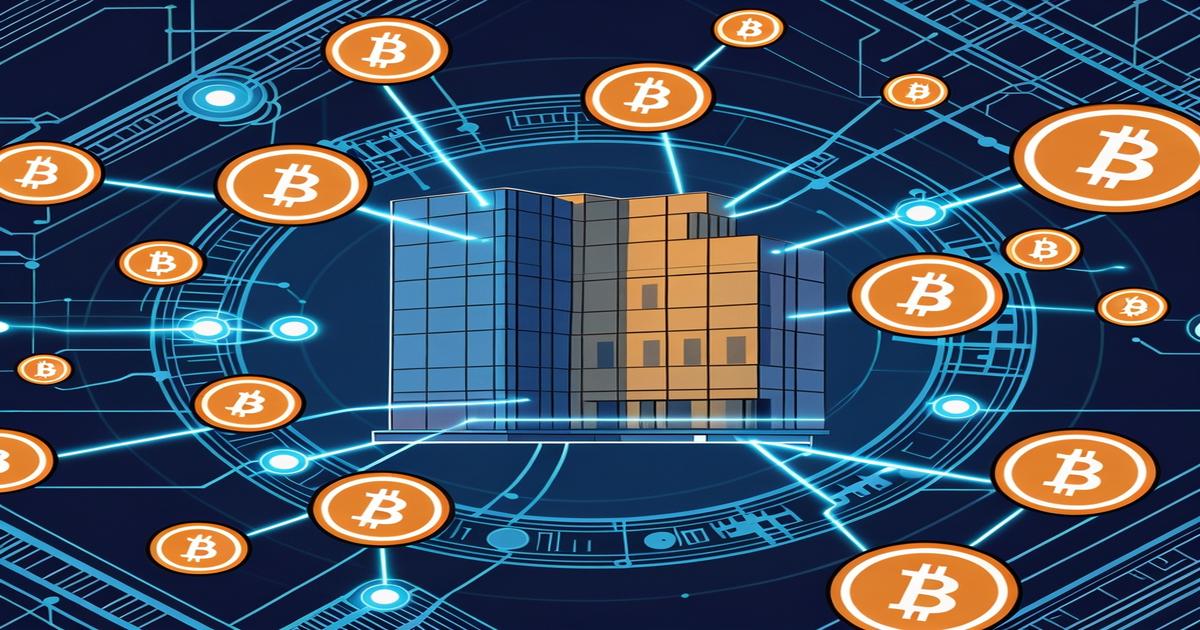
The real estate industry, a cornerstone of global economies, is on the cusp of a revolution thanks to blockchain technology. This innovation promises to simplify and secure transactions, reduce costs, and democratize access to property investments. Let’s explore how blockchain is reshaping real estate into a more accessible, transparent, and efficient market.

๐Ÿ”‘ Understanding Blockchain’s Role in Real Estate

Blockchain, a decentralized ledger technology, offers a secure and transparent way to record transactions. In real estate, this means enhanced security against fraud, faster processing times, and more transparent property records.

Real World Use Cases

  • Tokenization of Properties: Fractional ownership through tokenized real estate assets allows for democratized investment opportunities.
  • Smart Contracts: Automating transactions and ensuring that agreements are executed as per terms laid out without intermediaries.
  • Secure Property Transactions: Enhanced due diligence and verification, minimizing the risk of fraud.

๐Ÿ“ Platform Reviews and Strategic Insights

Let’s review some pioneering platforms leveraging blockchain technology in real estate:

  • Propy: Offering blockchain-based transaction platforms for international property sales.
  • RealT: Facilitating fractional property ownership through Ethereum-based tokens.

Strategic Insights for Investors ๐ŸŒŸ

Investors can gain from reduced entry barriers, diversified portfolios, and greater liquidity. However, understanding the regulatory landscape is crucial to making informed decisions.

FAQs ๐Ÿค”

Q: How does blockchain improve transparency in real estate transactions?
A: Blockchain records are immutable and publicly accessible, allowing stakeholders to verify details at any time, reducing the room for errors and fraud.

Q: Is tokenization of real estate widely accepted?
A: While adoption is growing, tokenization is still in its early stages. Legal frameworks are evolving to accommodate it.

Q: What challenges does blockchain face in the real estate sector?
A: Major challenges include regulatory hurdles, the need for technological literacy, and resistance to change from traditional stakeholders.

Continue Reading
Click to comment

Leave a Reply

O seu endereรงo de e-mail nรฃo serรก publicado. Campos obrigatรณrios sรฃo marcados com *

Uncategorized

Unlocking the Power of Smart Contracts in DeFi: A Deep Dive into the Blockchain Revolution

Published

on

By


Unlocking the Power of Smart Contracts in DeFi

Unlocking the Power of Smart Contracts in DeFi: A Deep Dive into the Blockchain Revolution

๐Ÿช™ In the rapidly evolving world of decentralized finance (DeFi), smart contracts have emerged as a cornerstone of innovation. These self-executing contracts with the terms directly written into lines of code are transforming traditional financial transactions by enhancing efficiency, reducing costs, and ensuring security. ๐ŸŒ๐Ÿ”

Understanding Smart Contracts: The Building Blocks of DeFi

At their core, smart contracts are programmed agreements that automatically execute when predefined conditions are met. This automation eliminates the need for intermediaries, significantly reducing transaction costs and time. Whether it’s trading, lending, or even complex financial derivatives, smart contracts handle everything with precision and trustworthiness. โœ…

Real-World Use Cases of Smart Contracts

  • Lending Platforms: Platforms like Aave and Compound leverage smart contracts to manage collateral and process loans without centralized control.
  • Decentralized Exchanges (DEXs): Smart contracts enable seamless and trustless peer-to-peer trading on platforms like Uniswap.
  • Tokenization of Assets: Real estate and art are being tokenized through smart contracts, democratizing access to investment opportunities.

The Benefits of Smart Contracts

Smart contracts offer unparalleled advantages in the financial world. They enhance transparency, improve efficiency, and mitigate risks commonly associated with human intervention and centralized systems. Here are some benefits:

  • ๐Ÿ“ˆ Increased Speed and Efficiency: Automated processes reduce settlement times and streamline operations.
  • ๐Ÿ”’ Enhanced Security: Immutable and time-stamped transactions deter fraudulent activities.
  • ๐Ÿ’ธ Cost Reduction: Minimizing intermediary involvement slashes transaction fees and overheads.

Challenges and Future Prospects

While the potential of smart contracts is immense, challenges like code vulnerabilities and scalability constraints must be addressed. Innovations in cross-chain technology and oracles are paving the way for more robust applications, promising a future where DeFi truly rivals traditional finance.

Conclusion

Smart contracts are undeniably at the heart of the DeFi revolution. As blockchain technology continues to evolve, these digital agreements will drive new possibilities in the financial landscape, ushering in an era of unprecedented access, transparency, and efficiency. ๐Ÿ”„โœจ

FAQs

  • What are smart contracts? Smart contracts are automated, self-executing agreements encoded on a blockchain.
  • How do smart contracts benefit DeFi? They enhance efficiency, reduce costs, and remove the need for intermediaries in financial transactions.
  • Are smart contracts secure? Generally, they offer high security, but vulnerabilities can exist if the code isnโ€™t meticulously audited.


Continue Reading

Uncategorized

Unlocking Secure and Sovereign Identities: How Blockchain Transforms Digital Identity Management

Published

on

By

Introduction to Blockchain Digital Identity

The transformation of digital identities through blockchain technology is revolutionizing how we manage, verify, and secure our personal data online. In this comprehensive guide, we delve into how blockchain technology is paving the path towards secure and sovereign digital identities, ensuring privacy and reducing fraud across digital platforms.

Understanding Blockchain’s Role in Digital Identity

Why Traditional Identity Systems Fall Short

Conventional identity systems often face issues such as inefficiency, vulnerability to hacks, and lack of user control over personal data. Blockchain offers a decentralized and immutable solution.

Blockchainโ€™s Benefits for Digital Identity

  • ๐Ÿ” Enhanced Security: Utilizing cryptographic techniques to secure data.
  • ๐Ÿช™ Transparency and Immutability: Ensuring data integrity and traceability.
  • ๐ŸŒ User Sovereignty: Empowering users with full control over their data.

Practical Applications and Use Cases

Discover various real-world applications where blockchain-based digital identities are making an impact, from financial services to healthcare, and beyond.

Tutorial: Setting Up a Digital Identity Wallet

A step-by-step guide on how to create and manage a digital identity using popular blockchain platforms, including security tips and best practices.

Top Blockchain Platforms for Digital Identity

  • Ethereum: Smart contract capabilities for complex identity ecosystems.
  • Civic: A user-focused platform simplifying identity verification.
  • Sovrin: A public-permissioned blockchain for self-sovereign identities.

Strategic Insights and Industry Trends

Gain perspectives on emerging trends, potential challenges, and future opportunities in blockchain digital identity systems.

Conclusion: Embracing a New Era of Digital Identity

Blockchain technology holds the promise of fundamentally enhancing how we perceive and manage digital identities, offering unmatched security, privacy, and control. As these systems mature, they will become an integral component of our digital future.

FAQs

  • What is a blockchain digital identity? A decentralized identity system that uses blockchain to secure and verify personal data.
  • How does blockchain enhance identity security? By utilizing cryptographic keys and decentralized verification methods.
  • Can blockchain-based identities be hacked? While no system is completely immune, the decentralized and encrypted nature of blockchain offers robust protection against cyber threats.

Continue Reading

Uncategorized

How Blockchain Innovation is Revolutionizing Industries: Dive into the Future of Decentralized Solutions

Published

on

By

Blockchain technology isnโ€™t merely a buzzword โ€” itโ€™s a significant force catalyzing change across various industries. From finance and supply chain to healthcare and beyond, blockchain presents unique solutions to longstanding issues. ๐ŸŒ๐Ÿ” Dive into this comprehensive guide to understand how blockchain innovation is driving efficiency and accountability across sectors globally.

Introduction to Blockchain

Blockchain, at its core, is a distributed ledger technology that ensures transparency and immutability. Its decentralized nature means no single entity has control, fostering trust and collaboration across networks.

Blockchain in Finance

The financial sector has seen remarkable innovation with blockchain. From decentralized finance (DeFi) platforms to central bank digital currencies (CBDCs), discover how blockchain enables real-time transactions and lowers entry barriers. ๐Ÿช™

Supply Chain Revolution

Traditional supply chains often suffer from inefficiencies and lack of transparency. Blockchain offers a seamless way to track goods, authenticate transactions, and improve accountability. ๐Ÿ“ฆ

Healthcare and Data Privacy

With data being a critical component in healthcare, blockchain provides a secure framework for handling vast amounts of information, ensuring privacy and patient control over their data.

Real-World Use Cases

โœ… How blockchain enhances peer-to-peer energy trading
โœ… Adoption of NFT technology in art and entertainment

Challenges and Opportunities

While blockchain holds immense promise, challenges such as scalability, regulatory concerns, and energy consumption need addressing. However, these also present opportunities for innovation and development.

Conclusion & What’s Next?

As blockchain advances, its applications could well define the future of digital infrastructure. Whether you’re an investor, developer, or enthusiast, staying informed is key.

FAQs

  • How does blockchain improve transparency? Blockchain records are immutable and publicly accessible, ensuring transparency.
  • What are DeFi platforms? DeFi platforms offer financial services using blockchain technology, eliminating intermediaries.
  • Can blockchain be used for data privacy? Yes, blockchain’s encryption fosters secure data handling and user privacy.

Continue Reading

Trending

Copyright ยฉ 2017 Zox News Theme. Theme by MVP Themes, powered by WordPress.