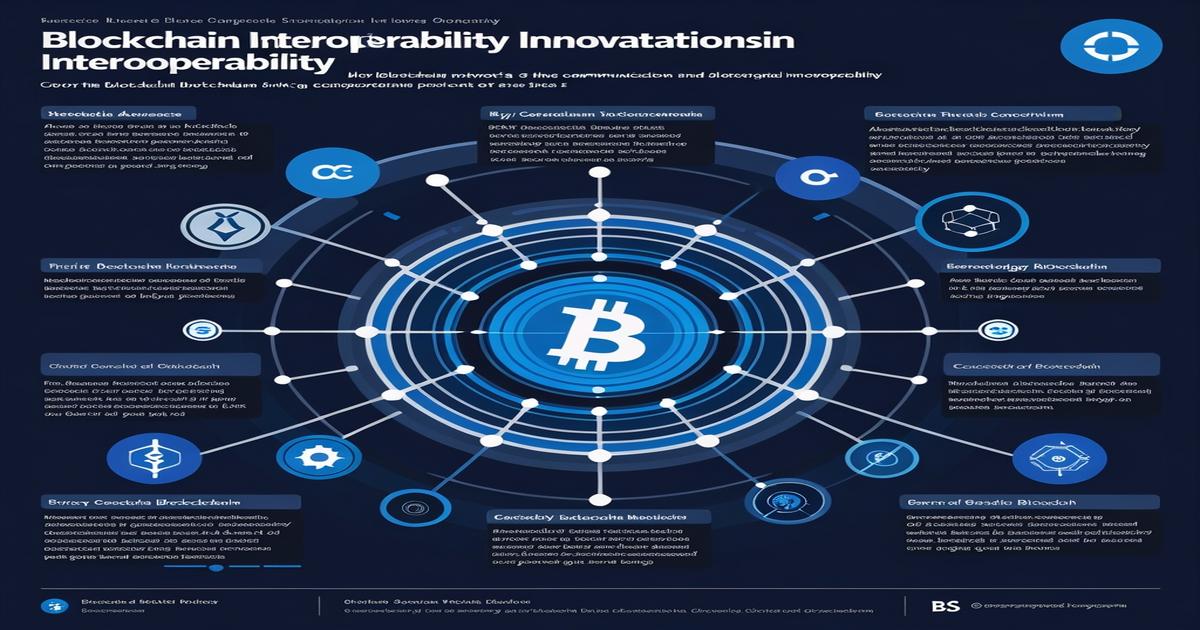
Blockchain interoperability is a pivotal innovation in the decentralized economy, enabling different blockchain networks to communicate seamlessly. In this comprehensive guide, we’ll delve into the real-world use cases of blockchain interoperability, explore the platforms leading the charge, and assess how these developments are reshaping the decentralized finance (DeFi) landscape.
What is Blockchain Interoperability and Why Does it Matter?
Blockchain interoperability refers to the ability of various blockchain networks to exchange information and value with one another. This interconnectedness is crucial for realizing a truly decentralized ecosystem where users and developers can interact and transact unimpeded by network silos.
Driving Forces Behind Blockchain Interoperability
To understand the importance of interoperability, one must consider factors such as scaling, user demand for multi-chain operations, and the increasing number of cross-chain decentralized applications (dApps).
✅ Interoperability Layers: Protocols like Polkadot and Cosmos introduce ‘Internet of Blockchains’ frameworks, allowing for seamless data transfer.
✅ Standardization Initiatives: Efforts by organizations like the InterWork Alliance focus on creating universal standards for cross-chain functionalities.
Applications and Benefits of Interoperable Blockchains
Real-world applications of blockchain interoperability range from simplified financial transactions to greater liquidity across platforms.
Cross-chain Asset Transfers
Users can transfer assets across different blockchains without relying on traditional exchanges, minimizing fees and reducing transaction times.
Enhanced DeFi Platform Integration
DeFi platforms benefit from enhanced liquidity pools and the ability to offer more diverse financial products by interacting with multiple blockchain ecosystems.
🪙🔐🌐 With more robust interoperability, secure and transparent cross-chain exchanges are becoming a reality.
Challenges in Implementing Blockchain Interoperability
Despite its advantages, blockchain interoperability faces significant hurdles:
🚧 Security Risks: As data flows between networks, the risk of security breaches increases, necessitating advanced cryptographic solutions.
🚧 Scalability Concerns: Ensuring throughput and latency don’t suffer as more networks interconnect is critical.
The Future of Blockchain Interoperability
Looking ahead, blockchain interoperability promises greater innovation. As blockchain technology evolves, expect:
🌟 New Protocols: Innovative protocols will emerge to facilitate even more seamless cross-chain integration.
🌟 Decentralized Autonomous Organizations (DAOs): DAOs focusing on interoperability will drive community-led governance.
FAQ Section
What is the main benefit of blockchain interoperability?
Interoperability increases the utility and liquidity of digital assets, enabling them to move seamlessly across different blockchains.
Which blockchain protocols are leading in interoperability?
Polkadot, Cosmos, and Avalanche are some of the leading protocols in blockchain interoperability.
What are the barriers to blockchain interoperability?
Main barriers include technical complexities, security risks, and the need for standardization across networks.
Crafting a future where blockchain interoperability is the norm will require ongoing commitment to innovation and collaboration across the crypto ecosystem. As these technologies mature, they will form the backbone of a new, more interconnected digital world.